

Commercial Refrigeration Maintenance Plan, Sydney
No call out fee
No service fee
No scissor lift fee
Commercial Refrigeration Maintenance Plan, Sydney
A commercial refrigeration maintenance plan is a scheduled servicing arrangement. We come to your site on an agreed cycle, service and check your refrigeration, write down what we find, and deal with the small faults before one of them turns into a 2am phone call. It is built for the businesses that live by their refrigeration: market vendors, food businesses, and the facility managers running cool rooms across one site or twenty. It replaces waiting for a breakdown and then paying whatever that breakdown ends up costing you.
We have been working in the Sydney markets for 22 years, on site five days a week.
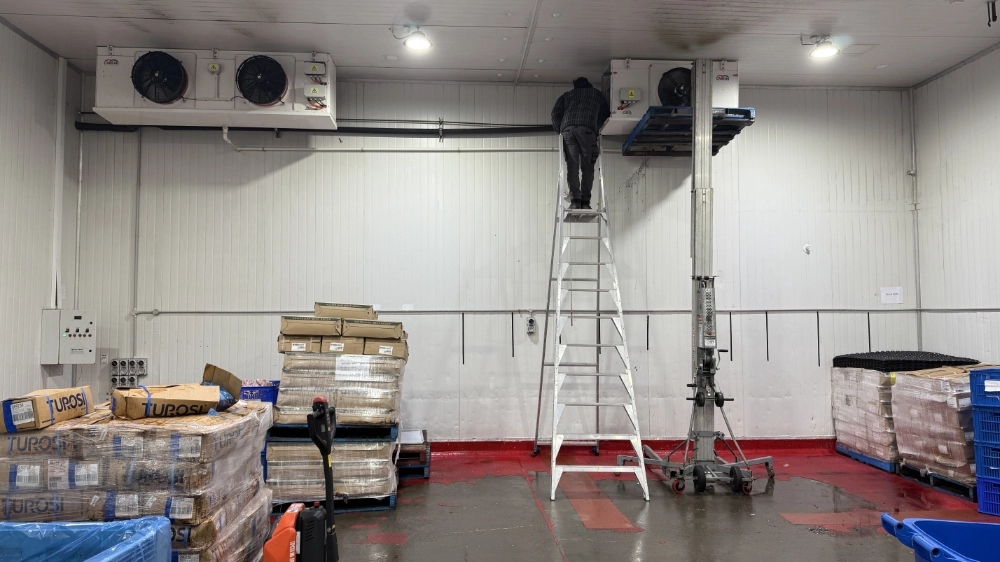

The repair is not the expensive part
When a cool room goes down, the invoice for the repair is usually the smallest number in the whole event.
The stock is the real cost. So is moving it somewhere else at short notice, and so is the shelf life you quietly lose on everything that warmed up on the way. Our technicians will tell you that on meat, every degree above the correct holding temperature takes about a week off shelf life. A probe reading two degrees cooler than the room really is means everything sits two degrees warmer than anyone realises, and on meat that is two weeks of shelf life gone before anything looks broken.
That is the honest case for planned servicing. Not that nothing will ever fail, because equipment fails. But if a breakdown takes out a room full of stock, that one event can cost more than a year of planned servicing.


What is in a plan
Every site gets a schedule of works, not a generic checklist, because a single cool room behind a cafe and a multi-room produce facility do not need the same attention. A plan is generally built from:
- Scheduled service visits on an agreed cycle
- A check of the whole refrigeration system, not only the unit with the fault
- Temperature probe checks, and calibration to the accuracy level your compliance actually requires
- Thermal scanning of your refrigeration switchboards
- Cool room cleaning
- Leak checks
- A written record of every visit, so the paperwork exists when somebody asks for it
- Our 24/7 response if something does go wrong between visits
We set the detail at the assessment, once we have seen your equipment and understand what you have to comply with.
What a plan does not cover. The plan is the scheduled work: the visits, the checks, the cleaning and the records, on the cycle we agree. If a visit turns up a repair beyond that scope, it does not get quietly absorbed into the plan, and it does not quietly appear on an invoice either. It goes onto the schedule of works with a cost in writing, and you decide before we do the work.
How often should a commercial fridge or cool room be serviced?
Often enough that small faults get caught before they become failures, and how often that is depends on the site. How hard the plant works, what it holds, and what you have to comply with all set the cycle. A lightly loaded fridge behind a counter is not a loaded produce room in January, and a pharmaceutical cold room answers to a stricter standard than either.
That is why the frequency is set at the site assessment and written into the schedule of works. It should be a decision you can see and revisit, not a default nobody remembers choosing.
Compliance and reporting
Most of our clients take temperature accuracy seriously mainly for one reason: an inspector can turn up unannounced. The NSW Food Authority and council food inspections are not scheduled around your week.
So every visit produces a written record. Temperature logs, what we checked, what we found, what we changed. When you are asked to prove the cold chain held, it is in writing instead of in somebody’s memory. If you run a food business, that trail is the verification evidence behind your own HACCP records: proof your monitoring equipment was checked and calibrated, dated and in writing. Your day-to-day temperature logs stay yours; this is what backs them up. The mechanics live on our HACCP temperature recording and food safety compliance pages.
Calibration is where this gets misunderstood. Requirements are not one size fits all. Some sites need NATA certification, others need accuracy to half a degree, others a full degree, and being on the wrong level means you are either overpaying or you are not actually complying. How we calibrate, and why the reference instrument matters more than the sticker on the wall, is on our probe calibration page.
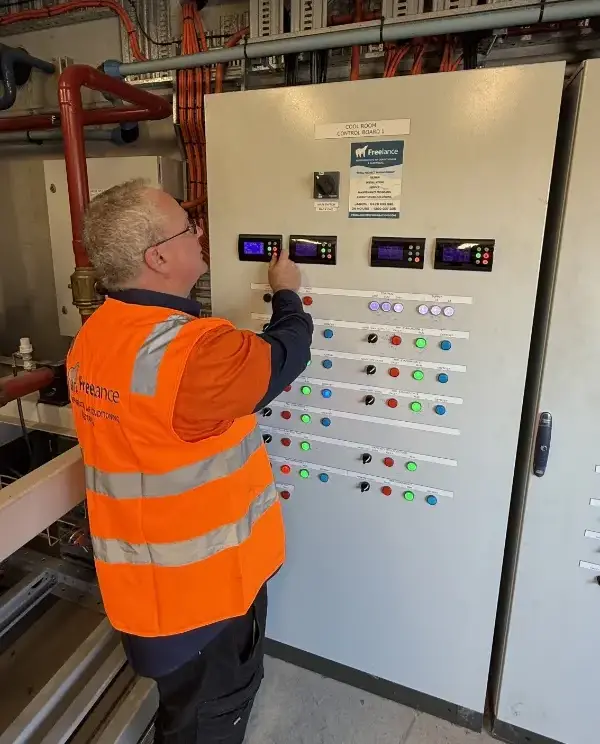

What planned servicing catches that a call-out does not
Errors that stack. A controller has its own deadband, often around two degrees. If your probe is also reading a couple of degrees low, the errors compound: the system can end up not trying to cool until the room is at six degrees, and stopping once it reaches four. Nothing looks broken, the room simply never holds the temperature you think you set. The full mechanics are on the probe calibration page; the point here is that a scheduled check catches it, and a breakdown call-out never does.
Heat where it should not be. On one Sydney site, a switchboard scan found a 100 amp isolator running at about 90 degrees while the cables around it sat near 35. It had already charred the insulation and dropped a phase. A hot joint like that can take out a compressor if it is left alone. If a scan finds nothing, we tell you it found nothing.
The actual cause, not the obvious part. A fruit wholesaler could not get product back down to two degrees within a few hours of it coming off display. The probe was fine. The room was around 40kW short of cooling capacity, which no amount of replacing parts was going to solve. At a ripening facility, readings had drifted because moisture had worked its way into a probe in a very humid room. Both were diagnosed properly, at the cause.
Who this suits
Market vendors and food businesses. If your stock is the business, uptime is not a maintenance topic, it is a revenue one. We are in the markets five days a week, so we are close by when it matters, and the written trail keeps you ready for the food-safety visit you never get warned about.
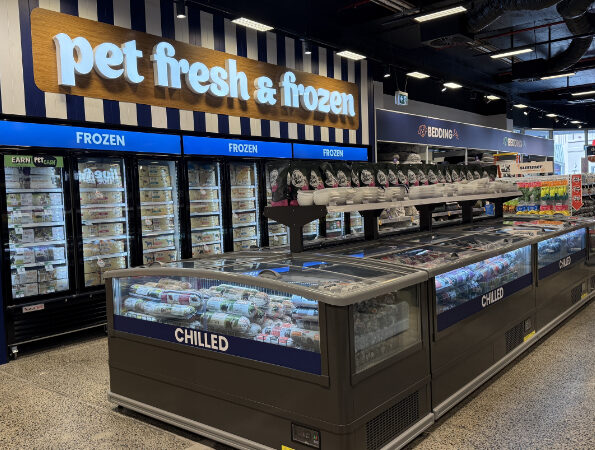
Facility and operations managers. Retail, supermarket, healthcare, pharmaceutical and warehousing sites, where you need planned maintenance, defensible records and one contractor who is accountable for the lot. For supermarkets and food retail, that means HACCP-ready records with every visit. For healthcare and pharmaceutical sites, it means service certificates and calibration records built for a public-health audit, not a food-safety visit. For warehousing, it means plant that never gets to stop is looked at on a schedule, not only when it stops.
Refrigeration and electrical sit under our one ticket, so switchboard problems do not turn into a second contractor and a scheduling argument. And if you run more than one site, one plan can cover the lot: one contractor, one schedule of works, one set of records.
When a plan is not worth it
We would rather say so than sign you up.
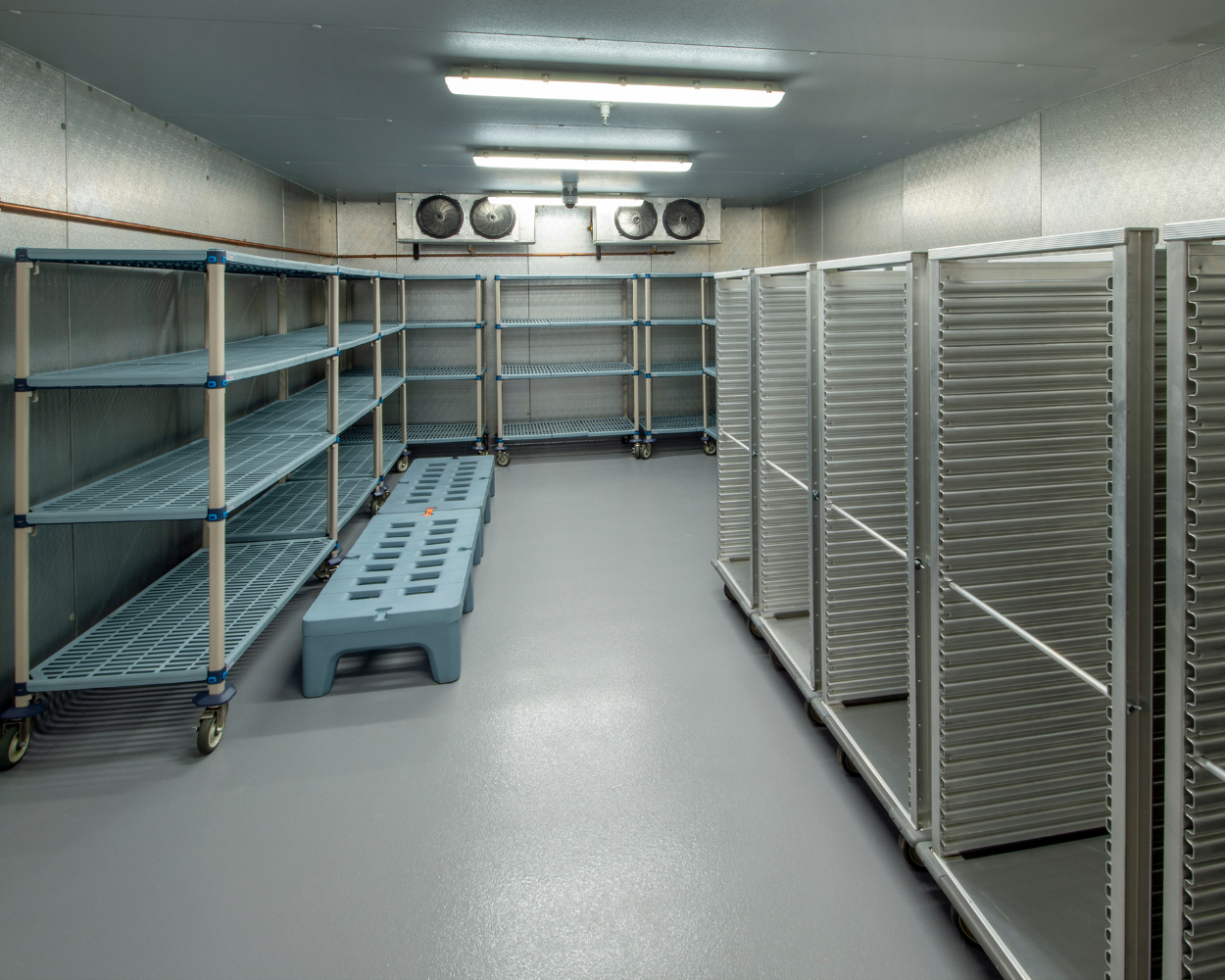
If you have a single small unit and no stock risk to speak of, planned servicing is hard to justify. If your plant is new and the installer is still servicing it under warranty, stay with that until it runs out. If you are about to replace the plant anyway, wait and set the plan up around the new equipment.
And when a plan is worth it, choose it on what gets checked and what gets written down, not on price alone. Poorly managed maintenance is the expensive kind. It just sends the invoice later.
How switching over works
- Site assessment. We come and look at what you actually have, and what you have to comply with.
- Schedule of works. You get the cycle, the scope and the cost in writing before anything starts.
- First visit. Usually the one that clears the backlog of small things nobody has got to.
- Ongoing. Scheduled visits on the agreed cycle, with a written record after every one.
Why Sydney businesses use us
22 years in the Sydney markets, on site five days a week. Relationships and site knowledge that took two decades to build.
Dual-trade certified, refrigeration and electrical. One contractor for the fridge and the board that feeds it.
24/7 response, because stock does not wait for business hours.
CM3 prequalified and $20M public liability insurance, with around 100 years of combined experience across the team.
A schedule of works, not a pile of quotes. You know what is happening and what it costs.
Ready to stop waiting for it to break
Summer is when your refrigeration works hardest, and when a weak system shows it. The time to set a plan up is before then, while the calendar is still yours to choose.
Tell us what you have on site and we will come and look at it.

What our clients say
