

Freezer Room Compliance Requirements for Sydney Businesses
No call out fee
No service fee
No scissor lift fee
Freezer Room Compliance Requirements for Sydney Businesses
Freezer room compliance in Sydney is governed by the same food safety framework as cool room storage, but the requirements are stricter, the consequences of failure are more expensive, and the margin for error is narrower. A freezer room that drifts above minus 18°C, even briefly, can trigger stock disposal, insurance complications, and compliance notices that affect your entire operation.
This page covers what Sydney food businesses need to know about freezer room compliance, including temperature requirements, monitoring obligations, common failure points, and what inspectors and insurers actually look for.
The Temperature Standard: Minus 18°C or Below
Under Australian food safety standards, frozen food must be stored at minus 18°C or below. This is not a recommendation. It is the standard that Food Standards Australia New Zealand (FSANZ) sets for frozen storage, and it is the benchmark that council inspectors, HACCP auditors, and insurance assessors will measure your freezer room against.
At minus 18°C, bacterial growth is effectively halted. The food is not sterilised, bacteria are still present, but they cannot multiply. If the temperature rises above minus 18°C, even to minus 15°C, the conditions begin to change. Bacterial activity resumes slowly, ice crystal structures in the food begin to shift, and the quality and safety window starts to close.
For most commercial freezer rooms, the setpoint should be between minus 20°C and minus 22°C to allow for temperature fluctuations during door openings, defrost cycles, and loading.
Monitoring and Recording Obligations
Freezer room temperature must be monitored and recorded as part of your HACCP plan. The requirements mirror those for cool rooms but apply at the lower temperature range:
- Regular temperature checks: At minimum, twice daily. Automated data loggers recording continuously provide stronger compliance evidence and are increasingly expected by auditors.
- Calibrated instruments: Every thermometer and sensor used to monitor your freezer room must be calibrated annually against a traceable reference standard. Without a current calibration certificate, your temperature records cannot be verified.
- Documented records: Temperature logs must be maintained and available for inspection. Paper logbooks are acceptable but digital systems with time-stamped entries are harder to dispute.
- Alarm systems: While not universally mandated, temperature alarms that trigger when the freezer rises above a set threshold are strongly recommended. Some insurers require them as a condition of coverage for frozen stock.
Common Freezer Room Compliance Failures
Most freezer room compliance issues are not catastrophic failures. They are gradual problems that go unnoticed until an inspection, audit, or stock loss forces the question. The most common issues we see across Sydney businesses include:
- Door seals deteriorating. Worn or damaged door seals allow warm air ingress, forcing the system to work harder and creating temperature fluctuations near the door zone.
- Defrost cycles running too long or too frequently. Poorly configured defrost timers can allow the freezer room temperature to rise above minus 18°C during each cycle, particularly if the room is heavily loaded.
- Blocked evaporator coils. Ice buildup on evaporator coils reduces airflow and cooling capacity. Regular cleaning and maintenance prevents this, but it is often overlooked until performance drops noticeably.
- Overloading and poor airflow. Stacking product too close to walls, ceilings, or directly against evaporator fans restricts air circulation and creates warm spots that do not show up on a single-point thermometer.
- Uncalibrated thermometers. A thermometer that reads minus 19°C when the actual temperature is minus 16°C gives a false sense of compliance. Annual calibration eliminates this risk.
- No alarm system. Without an alarm, a compressor failure overnight or over a weekend can result in an entire freezer room of stock reaching unsafe temperatures before anyone notices.
What Inspectors and Insurers Actually Look For
Council inspectors and HACCP auditors checking freezer room compliance will typically review:
- Current temperature logs showing the freezer has been consistently at or below minus 18°C.
- Calibration certificates for all thermometers and sensors, dated within the past 12 months.
- Evidence of a preventive maintenance schedule for the refrigeration system.
- Door seal condition and general freezer room housekeeping.
- Your HACCP plan, with freezer storage listed as a critical control point and corrective actions documented for temperature excursions.
Insurance assessors focus on similar areas but with an emphasis on alarm systems, maintenance records, and whether the business can demonstrate it took reasonable steps to prevent stock loss. If you make a claim for frozen stock loss and cannot show current calibration certificates, maintenance records, and temperature logs, the claim becomes significantly harder to defend.
Cool Room vs Freezer Room: Key Compliance Differences
| Requirement | Cool Room | Freezer Room |
| Temperature standard | 5°C or below | Minus 18°C or below |
| Recommended setpoint | 1°C to 4°C | Minus 20°C to minus 22°C |
| Calibration frequency | Annually (minimum) | Annually (minimum) |
| Defrost management | Usually not required | Critical – must not allow temp to rise above minus 18°C |
| Stock loss risk per incident | Moderate | High – frozen stock is typically higher value |
| Alarm system | Recommended | Strongly recommended / insurer may require |
Who This Applies To
Freezer room compliance applies to any Sydney business that stores frozen food commercially. This includes:
- Restaurants and commercial kitchens with walk-in freezers.
- Butchers, fishmongers, and wholesalers storing frozen protein.
- Supermarkets and grocery retailers with freezer storage.
- Catering companies holding frozen prep and raw ingredients.
- Food manufacturers and processors with blast freezing or frozen storage.
- Warehouse and cold storage operators handling frozen goods for distribution.
Frequently Asked Questions
Q: What temperature must a commercial freezer room be kept at?
Minus 18°C or below, as specified by Food Standards Australia New Zealand. Most operators set the system between minus 20°C and minus 22°C to provide a buffer for door openings and defrost cycles.
Q: How often should freezer room temperatures be checked?
At minimum, twice daily under HACCP requirements. Automated continuous monitoring with data loggers is increasingly preferred by auditors and provides a stronger compliance record.
Q: Do I need a temperature alarm on my freezer room?
It is not universally mandated by law, but it is strongly recommended and some insurers require it as a condition of frozen stock coverage. An alarm that triggers when temperature rises above a set threshold can prevent catastrophic stock loss from overnight or weekend failures.
Q: What happens if my freezer room temperature goes above minus 18°C?
If food has partially thawed but remains below 5°C, it may be safe to refreeze depending on the product and duration. If food has risen above 5°C, it must be assessed and may need to be disposed of. Your HACCP plan should include corrective actions for temperature excursions.
Q: Is freezer room compliance different from cool room compliance?
The framework is the same, but the temperature standard is stricter, defrost management is an additional consideration, and the financial risk of a failure is typically higher because frozen stock tends to be higher value.
Keep Your Freezer Room Compliant Year-Round
Freezer room compliance is not difficult to maintain, but it does require calibrated instruments, consistent monitoring, and a system that is properly maintained. If you are unsure whether your freezer room meets current requirements, or if your calibration certificates have lapsed, contact Freelance Refrigeration for an assessment across Greater Sydney.
Related Compliance Resources
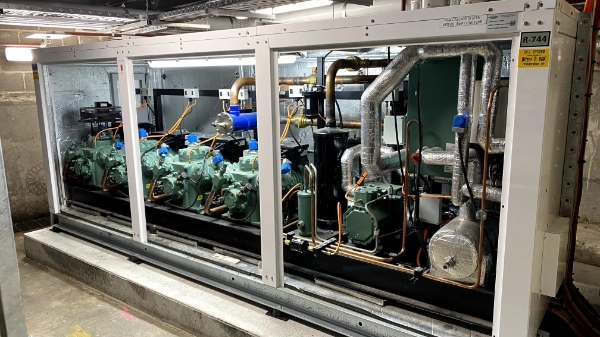
Monitoring & Compliance Checklist
Inspectors expect more than working fridges — they want consistent records, weekend coverage, and documented corrective actions. A practical checklist for staying audit-ready.
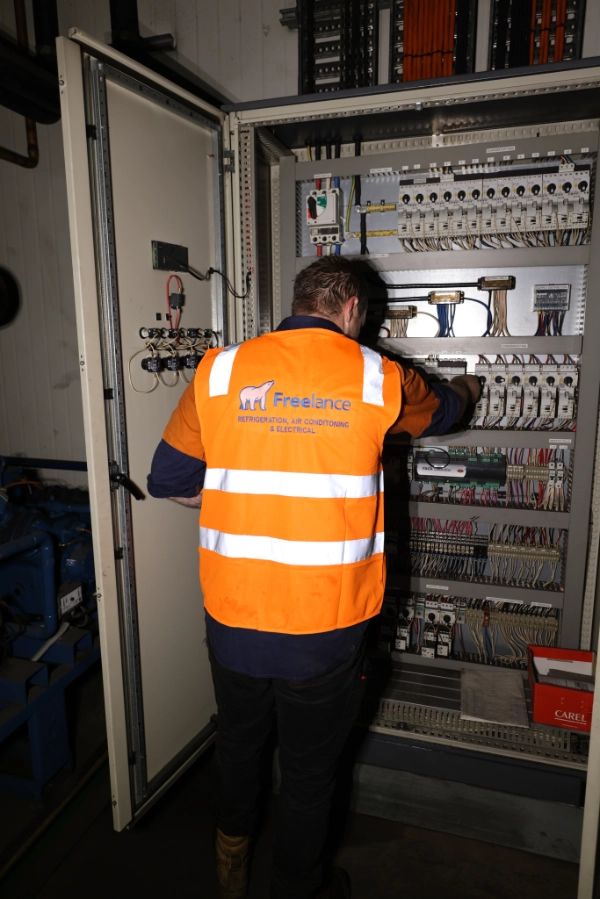
Practical Tips for Sydney Food Businesses
What Sydney council inspectors actually look for — overnight temperature control, logs that match reality, documented breach responses, and equipment condition in tight kitchens.

Compliance & Food Safety
Refrigeration is regulated infrastructure under NSW food safety law — failures can mean fines, forced closures, and insurance fallout. An overview of what's at stake for Sydney food businesses.