

Positive Pressure Ventilation for Cool Rooms
No call out fee
No service fee
No scissor lift fee
Positive Pressure Ventilation
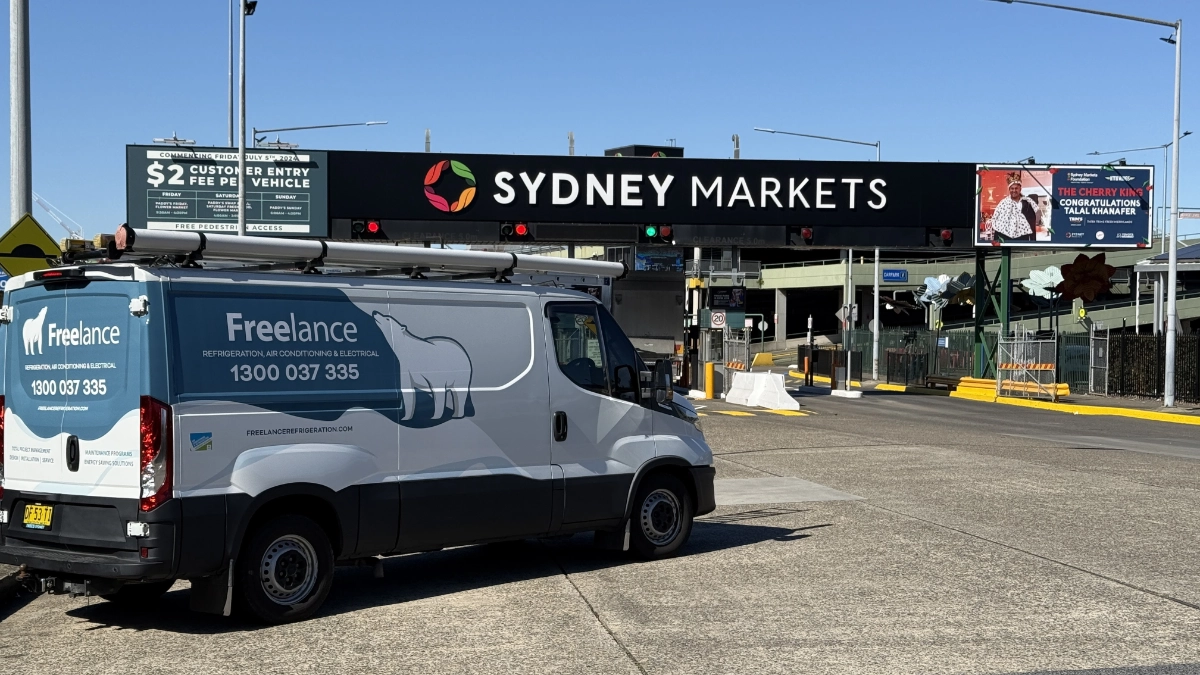
At Freelance Refrigeration, we specialise in positive pressure ventilation for cool rooms, using controlled, filtered airflow to push out stale or humid air, reduce condensation, stabilise air quality, and boost refrigeration performance in commercial and industrial environments. Backed by over 100 years of hands‑on experience, our fully insured technicians deliver peace of mind through expert care, tailored solutions, and fast, reliable support across Sydney. With 24/7 availability, no hidden fees, and a strong on‑site presence at the Sydney Markets, we’re committed to keeping your systems running at their best.

What Is Positive Pressure Ventilation?
Positive pressure ventilation is the practice of supplying outside air into a sealed room so the pressure inside remains above external air. This pressure differential pushes exhaust air out through a vent or duct, minimising dust, moisture, and airborne pollutant ingress. In cool rooms and walk-in freezers, the method supports energy efficiency, hygiene, and stable temperature control.
How It Works in Cool Rooms
A fan draws filtered outdoor air into the cool room through a ducted intake, creating a controlled pressure differential relative to negative pressure areas. As pressure variables rise slightly above atmospheric pressure, excess warm air and humidity are expelled as exhaust through pressure relief vents. Correct seals, filtration, and airflow balance prevent drawing warm air from openings, windows and doors, or adjacent cavity spaces.
Benefits of Positive Pressure Ventilation
By regulating air exchange with clean, filtered fresh air, positive pressure limits condensation, mould, and moisture while improving indoor air quality. It reduces airborne pollen and dust, maintains stable air pressure and temperature around the cooling unit, and protects the sealed room envelope. This ventilation approach enhances energy efficiency and refrigeration reliability in commercial and industrial applications.
What Is a Positive Air Pressure Fan?
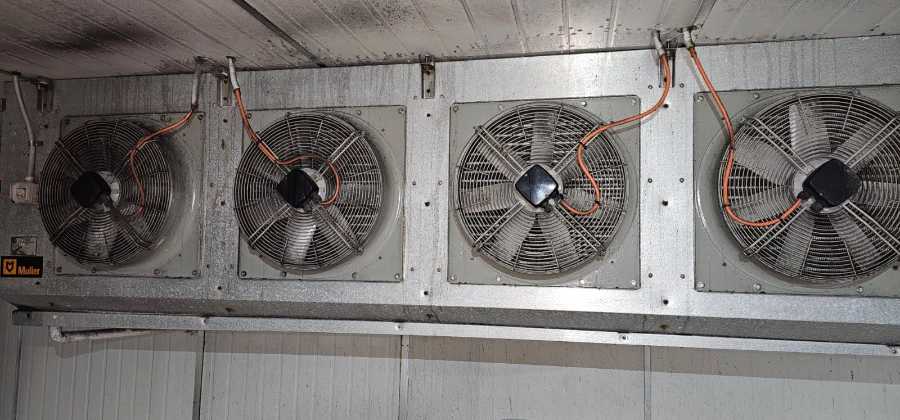
A positive air pressure fan is a purpose-built ventilation system component that introduces filtered fresh air into a sealed room to raise the pressure inside above atmospheric pressure. By regulating airflow and pressure differential, it pushes stale inside air toward an exhaust or vent, improving indoor air quality and supporting refrigeration performance in cool rooms and walk-in freezers.
Why Convert a Cool Room to Positive Pressure?
Positive pressure ventilation creates a controlled internal environment that resists dust, moisture, and warm air entering the cool room. By introducing filtered fresh air and maintaining a slightly higher internal pressure, the system stabilises airflow, reduces condensation, improves hygiene, and supports more efficient refrigeration performance. Businesses typically convert to positive pressure because it delivers:
- Improves hygiene and air quality
- Stops dust ingress
- Reduces moisture and mould
- Improves temperature stability
Positive Pressure vs Negative Pressure in Cool Rooms
Positive pressure maintains air pressure inside a sealed room above atmospheric pressure, while negative pressure pulls external air inward. In cool rooms, positive ventilation pushes stale inside air to an exhaust through pressure relief vents, minimising dust, moisture, and pollutant ingress. Negative systems can draw warmer outside air through an opening, cavity, or windows and doors, increasing heat load and condensation risk.
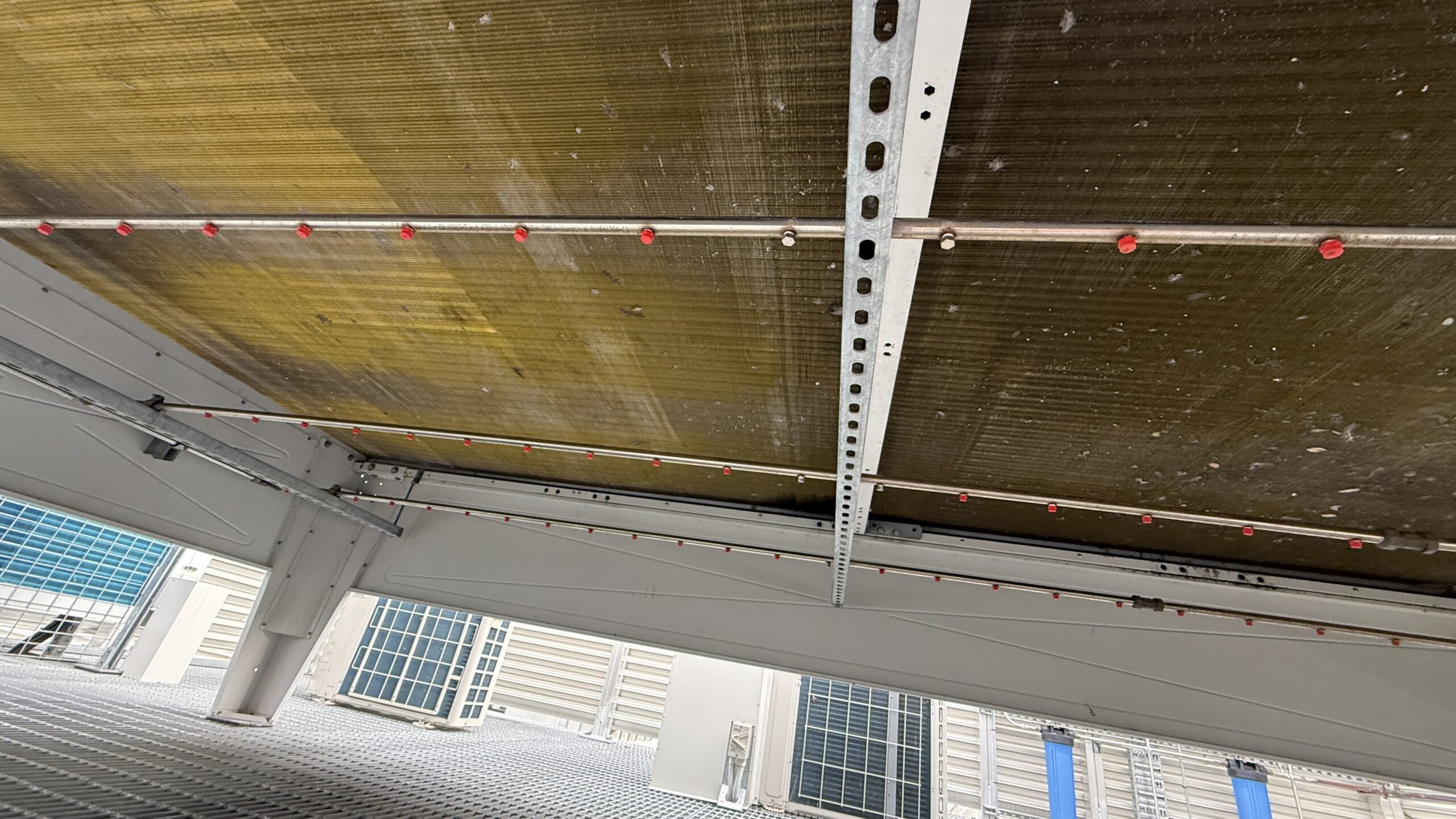

System Options: Types of Positive Air Pressure Fans
Inline Fan Systems
Inline fans sit within the ductwork and push filtered fresh air into the cool room to maintain a controlled pressure level. Their compact design suits retrofits, offering flexible routing and simple integration with pressure relief vents. They’re cost‑effective, energy‑efficient, and work well with basic sensors and airlock setups.
Filtered Intake Fan Systems
These systems prioritise filtration, using multi‑stage filters to remove dust, pollen, and pollutants before air enters the room. The fan then lifts internal pressure above atmospheric levels, reducing condensation, mould, and hygiene risks, ideal for sites exposed to external contaminants.
HVAC-Integrated Systems
Integrated systems combine positive pressure ventilation with air conditioning and heat recovery. They regulate temperature, humidity, and airflow under one control platform, reclaim energy from exhaust air, and maintain precise pressure targets for improved efficiency and monitoring.
Industrial vs Commercial Setups
Integrated systems combine positive pressure ventilation with air conditioning and heat recovery. They regulate temperature, humidity, and airflow under one control platform, reclaim energy from exhaust air, and maintain precise pressure targets for improved efficiency and monitoring.
What our clients say
